
I spent two nights at Crater of Diamonds State Park in Arkansas, and I have been smiling about it ever since.
The idea is good. Being allowed to do it is better.
I was completely intrigued by the idea of diamond mining.
Honestly, I would have been just as intrigued if somebody had simply sat me down and told me about it. A field in Arkansas, sitting on top of an old volcano, where diamonds come up out of the ground — that is a good story on its own.
But you do not have to settle for the story. You can rent the equipment and go out into the field and do it, alongside hundreds of other people doing exactly the same thing.
The practical bit
I am really grateful I got a camp spot, because then you are just a short walk from the field.
You go into the building, you pay the search fee, and you go out and mine for diamonds. Bring your own equipment if you have it, or rent theirs. It is a screen for sifting and the tools you need to pick through the dirt.
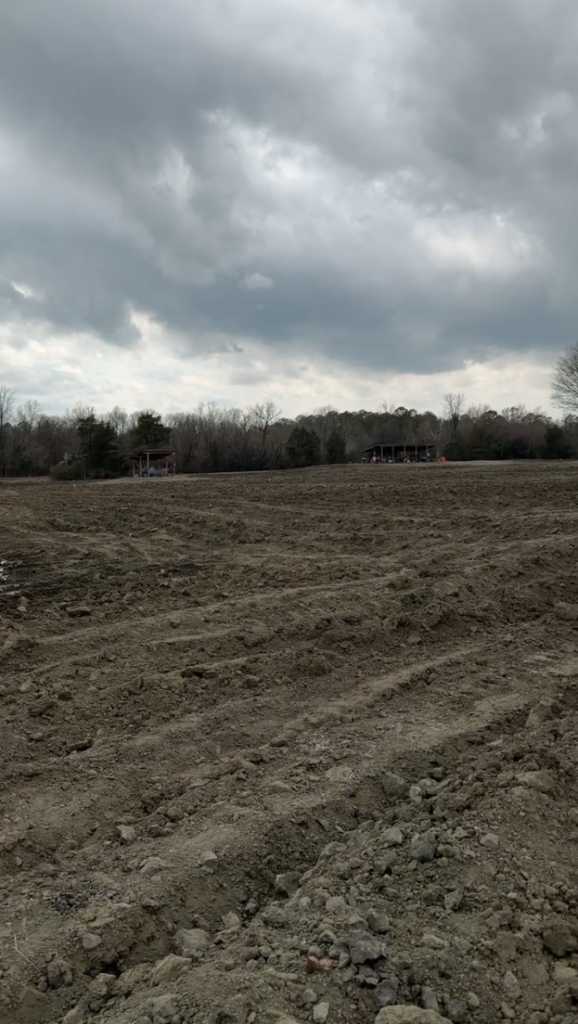
Then you pick a spot in a thirty-seven-acre plowed field and you start.
The surprise
Dogs are allowed to do all of this.
I did not expect that and I have not stopped being pleased about it. Tootsie and I went out one afternoon, picked our spot, knowing absolutely nothing about what we were looking for, and went diamond mining together.
There are not many places that will let you bring a dog into the actual activity. Usually the dog waits. Here, the dog comes.
What actually happened
I started out properly. All the tools they had given me, sitting down in the dirt, scraping through it the way you are supposed to.
And it was not long before I found so much joy in just digging with my bare hands that I abandoned the tools entirely.
That is the whole afternoon, really. A grown woman sitting in a field in Arkansas, up to her wrists in dirt, with her dog next to her, not using any of the equipment she had rented.
They say that when you see a diamond in the dirt, it is shiny. I have to believe that is true — the park will tell you a diamond has a slick surface that dirt and mud will not stick to, so you are looking for the one clean thing in a field of filthy ones.
I had no idea what I was looking for.
I found a lot of stones. None that I decided to leave with. They will identify anything you bring them at the Discovery Center, and there are other stones out there worth finding too — amethyst, agate, jasper, quartz.
And for the record, finding nothing is the usual outcome. Somewhere around four to six hundred diamonds get found in a year, out of roughly two hundred thousand people. The odds of walking out with one are about one in three hundred and fifty.
Nobody out there seemed to mind.
Why I keep thinking about it
Even reflecting on it now, I catch myself smiling.
It was so unique. And it was so grounding — which is a word I do not use lightly, and which I mean fairly literally here. I was sitting on the ground with my hands in it.
But the thing that actually made it beautiful was everybody else.
There were hundreds of people out in that field, and every single one of them was hopeful. That is what they had in common. Not expertise, not equipment, not any real prospect of success — hope. People who had driven a long way to sit in the dirt on the chance that today was the day.
To be in a space with that many hopeful people at once is not a common experience. I did not expect to find it at a state park in Arkansas and I did not expect it to stay with me the way it has.
I did not leave with a diamond. I left with that.
And maybe that hopefulness shines brighter than any diamond ever would.
Plan your visit
Where: Murfreesboro, Arkansas.
What it is: a 37.5-acre plowed field that is the eroded surface of an ancient volcanic crater — the only place in the world where the public can search for diamonds in their original volcanic source and keep what they find.
A state park since 1972. More than 37,000 diamonds found since.
Admission: a daily search fee for adults, less for children, and the youngest go free. Check the current rates with the park before you go.
Equipment: bring your own or rent theirs. Individual tools, or the Advanced Diamond Searching Kit, which includes a shovel, screen set, bucket and saruca. Rental rates change, so check those too.
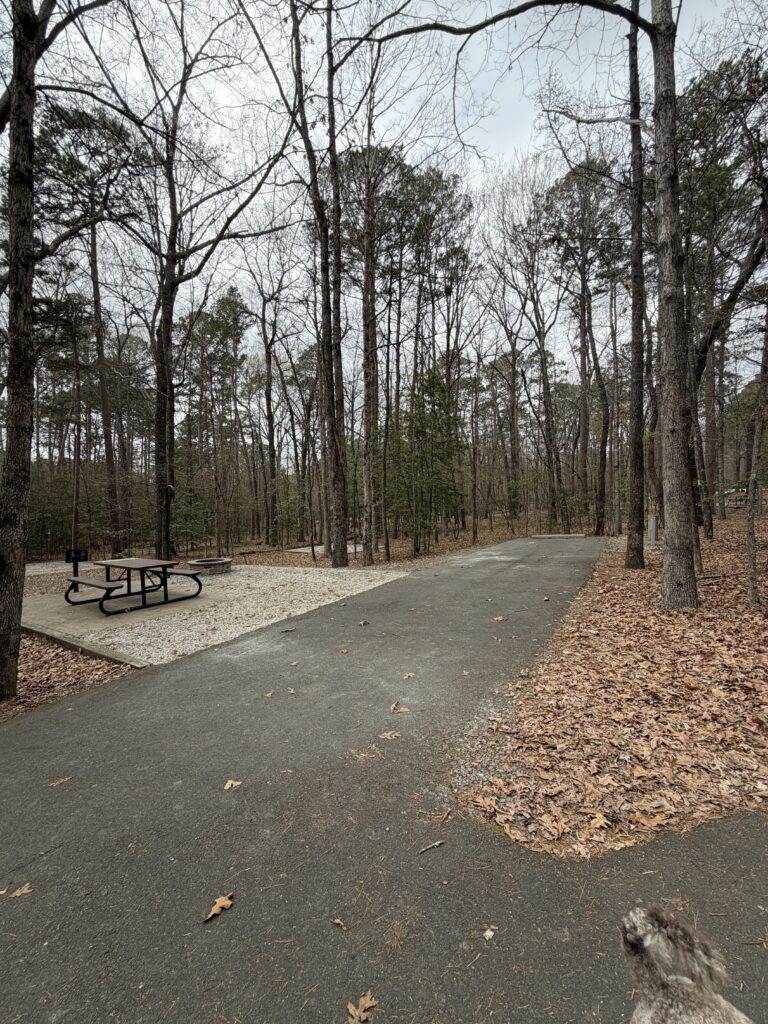
Camping: 47 sites with hookups, right there. Get one if you can — it puts you a short walk from the field and lets you go out early or late instead of in the middle of the day.
Register your finds at the Diamond Discovery Center. Identification and registration are free, and they will tell you what you have.
What you are actually looking for
The park’s own guidance: a small, well-rounded crystal, and diamonds have a slick outer surface that dirt and mud will not stick to.
So look for the clean thing in a dirty field. Rough diamonds are smooth and rounded rather than faceted, with a bright, greasy, almost metallic shine, mostly white, brown or yellow. The average find is about a quarter carat — roughly the size of a match head.
Also findable: amethyst, agate, jasper, quartz, calcite, barite, garnet.
Manage your expectations, and then go anyway
Roughly 400 to 600 diamonds are found a year out of about 200,000 visitors. That is around one in three hundred and fifty.
Finding nothing is the normal result. Go for the afternoon, not the payout.
If you want the dream anyway: the Uncle Sam, found in 1924, was 40.23 carats and is still the largest diamond ever found in the United States. The Esperanza, found in 2015, was worth about half a million dollars once cut.
What to pack & wear
There is almost no shade in that field, and that is the single most important thing to know. Hat, sun protection, and far more water than you think.
Clothes you do not care about. You will be sitting in dirt. That is the point.
Consider going in a cooler month or early and late in the day. Midsummer midday in an open Arkansas field is genuinely rough.
Knee pads or something to sit on, if your knees have opinions.
Pets
Tootsie came with me, and she was allowed in the search field itself. That is the part that surprised me most about this park, and it is rare — usually the dog waits somewhere while you do the thing. Here the dog does the thing with you.
Leashed at all times, and you cannot leave her unattended.
Where she cannot go: the gift shop, and the Diamond Springs water park.
Two real cautions, and they are about the field, not the rules.
The heat and the ground. There is almost no shade out there for most of the day, and the sand gets hot enough to hurt a dog’s feet. Bring something for her to lie on, bring shade if you can, and go early or late.
It is crowded. There are a lot of people head-down in the dirt who are not looking where they are stepping, and children who will want to say hello. You will need to keep an eye out for her in a way you would not on a trail.
Worth it. Entirely worth it.
Traveling with a dog? Where I Would Actually Take My Dog is every park on this site, sorted by whether she can do the activities you came for.
Fees, rental prices, hours and campground availability change. Check with Arkansas State Parks before you go — details here were verified in September 2026.
Also in Arkansas
Hot Springs National Park — the oldest federally protected land in America, and it looks like a shopping street.
Little Rock Central High School National Historic Site — where this podcast started.