
My experience
I was strategic about Yosemite. I wanted shoulder season — late enough that the park was open, early enough to miss the crowds.
What I was less strategic about was where I would sleep. My spontaneous side doesn’t mesh well with the big parks, and this one is a beast. Everything inside was long gone, so I ended up at Bass Lake Recreation Area, more than thirty minutes outside the entrance. It was worth every mile of that drive to get four days in Yosemite.
I arrived with a list of shoulds — things I had collected over the years about what you are supposed to do here. At the top of it: hike the Upper Yosemite Falls Trail. Everything I read called it intermediate, and I wasn’t confident in my hiking skills. So I asked a ranger. He suggested Vernal Fall to Nevada Falls to the John Muir Trail as a warm-up.
Day one, that’s where I went.
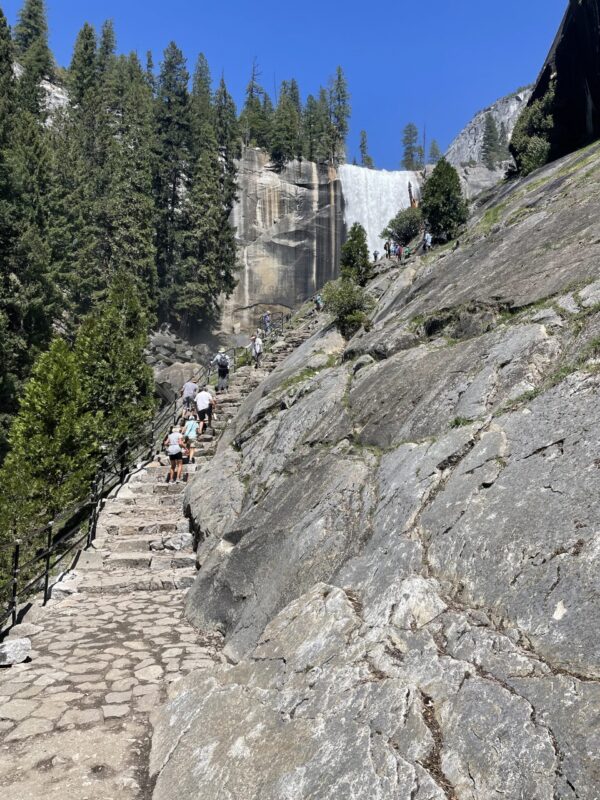
It was brutal and beautiful. The trail climbs right alongside the water, and near the top the steps are cut into the stone. Somewhere along the way I noticed I was seeing fewer and fewer people. What did they know that I didn’t?
The top of the falls was breathtaking. The water was so loud going over the edge that it crowded out everything else. I didn’t linger — it was late in the day and I still had a lot of hiking ahead of me.
I got back exhausted, and still had a long walk to my car.
I often say the best part of a hike is taking your boots off at the end. That day it was closer to bliss.
The field
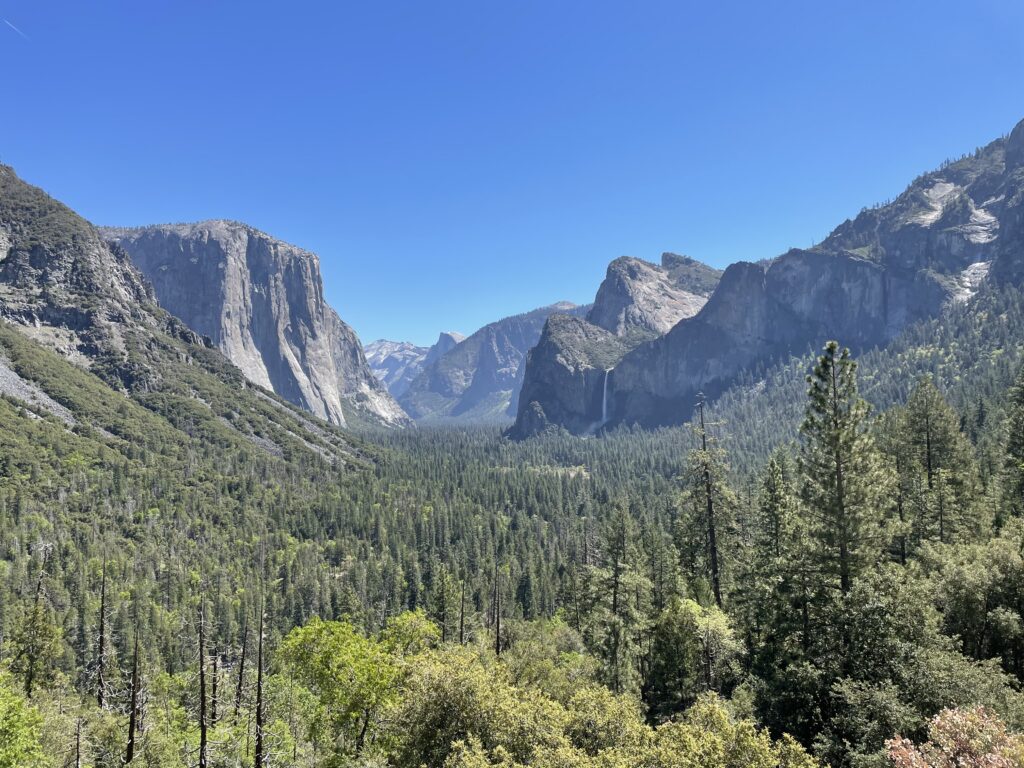
On the way back to camp I passed a group of people standing in a meadow, all looking up at a rock face. I stopped to see what they were looking at. It was El Capitan, and they were watching climbers.
So I joined them. I stood in that field with strangers and watched people I couldn’t make out with the naked eye work their way up a wall.
That evening I was at my campsite, reflecting on the day and reading the Yosemite Guide — the newspaper the ranger hands you at the entrance. I was going through all the options for the next day when it landed on me. I had a list of shoulds. What I actually wanted was to watch more climbers.
That was the aha, and it turned out to apply to many areas of my life, not just a vacation. It was the day I decided that the only thing I should do is whatever I want.
So the next morning I took a chair, a cooler and a pair of binoculars to that field and spent the whole day watching people climb. And what amazed me more than watching them reach the top was realizing they had to get themselves back down.
Two other days stayed with me. Mariposa Grove had opened the day I arrived, and I hiked in through snow to stand under the giant sequoias.

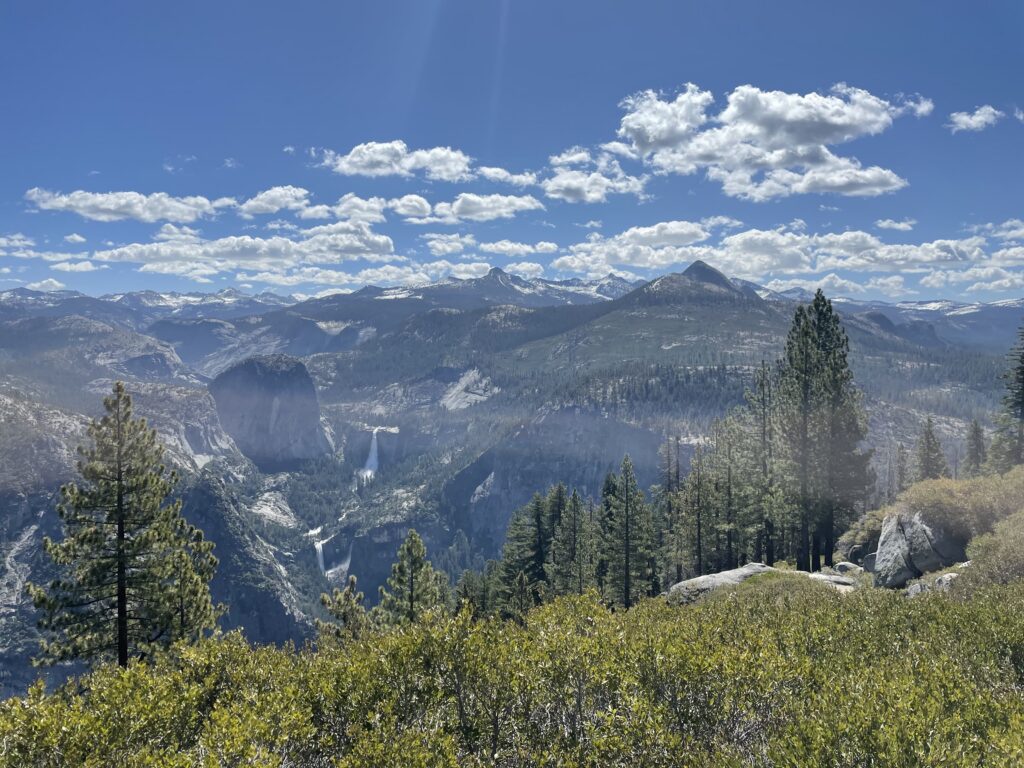
And on my last day they opened the road to Glacier Point, so I drove up and looked out over the whole park.
What I’d tell a friend
Shoulder season is worth it, but check what’s open. I got the crowds I wanted to avoid and the falls at full volume. I also got snow in Mariposa Grove and a Glacier Point road that opened on my last day. That’s the trade.
Sort out where you’re sleeping first. This is not a park you can wing. Staying outside cost me an hour of driving a day, and I’d do it again rather than not go.
Ask a ranger to right-size a hike for you. Mine pointed me somewhere better than the thing I’d put on my list, and he was right.
Leave a day with nothing in it. The best day I had in Yosemite was the one I hadn’t planned.
Plan your visit
Entry: Charged per vehicle, with lower rates for motorcycles and for anyone on foot or bike, valid 7 days. A park annual pass is also sold. Rates change, so check the park’s own page before you go.
Or the America the Beautiful annual pass, good for a year at every national park and federal recreation site. If you’re visiting more than two or three parks in twelve months, it pays for itself. US residents and non-residents pay different rates.
Reservations: Yosemite is not using a timed-entry reservation system this year (as of September 2026). It has come and gone from one season to the next, so check before you drive out.
Roads: Mariposa Grove Road usually opens sometime in April. Glacier Point Road and Tioga Road stay shut until late May or June, depending on the snow. Yosemite Valley and Wawona are open all year.
Waterfalls run highest with the snowmelt in May and June.
What to pack & wear
Layers. I had at least two seasons with me the entire time — snow under the sequoias and sun in the valley on the same trip.
If you’re coming in spring, carry tire chains and know how to put them on. The park asks for them whatever you’re driving.
Pets
The technical answer is yes, and it is the answer that gets people into trouble. Leashed dogs are allowed on paved roads, sidewalks, bike paths, most campgrounds, and a short list of named paths — Bridalveil Fall, Lower Yosemite Fall, Cook’s Meadow and the paved road to Mirror Lake. Everything else is off limits: trails, meadows, wilderness, shuttle buses. There is no exception for carrying them.
So if you have come to Yosemite to hike, your dog spends the day waiting in the car or at the campsite. That is not a good day for the dog and it is not a good day for you.
If you are traveling with a dog, look just outside the boundary. Sierra National Forest wraps around this side of the park and dogs are welcome on its trails on a six-foot leash. I camped at Bass Lake, which sits inside that forest — and if I had brought Tootsie, that is where we would have spent our days.
Fees, road openings and pet rules change from season to season. Check with the park before you go — details here were verified in September 2026.